Classic Dill Pickles Recipe
Quick Answer
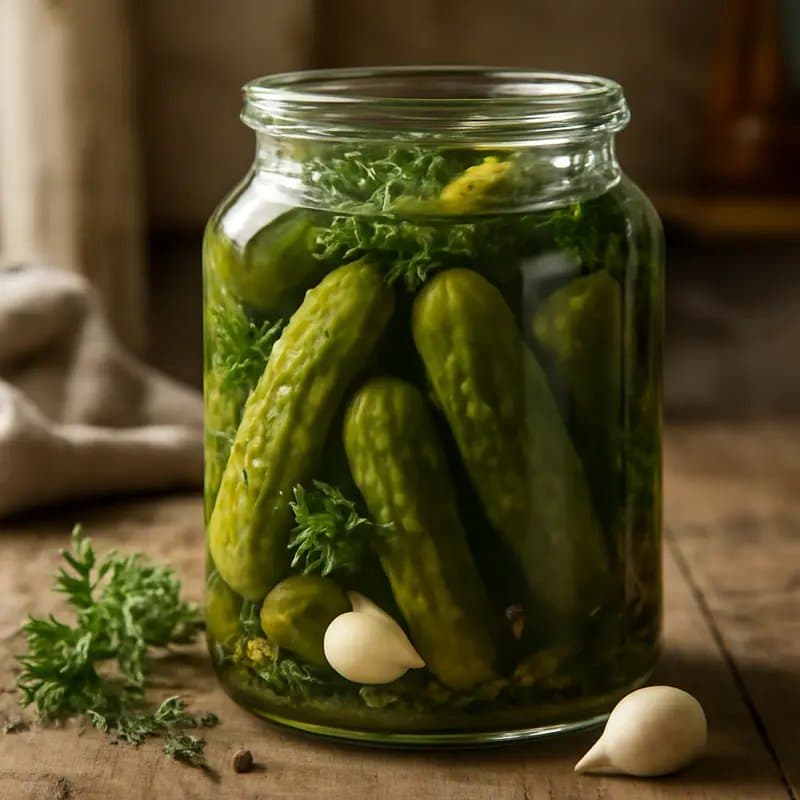
Classic dill pickles: pack whole small cucumbers into a jar with garlic, dill, and peppercorns. Dissolve 3 tablespoons salt in 4 cups water, pour over cucumbers. Cover loosely and ferment at room temperature for 3-5 days. Refrigerate when sour enough.
By Sarah Mitchell • June 15, 2026
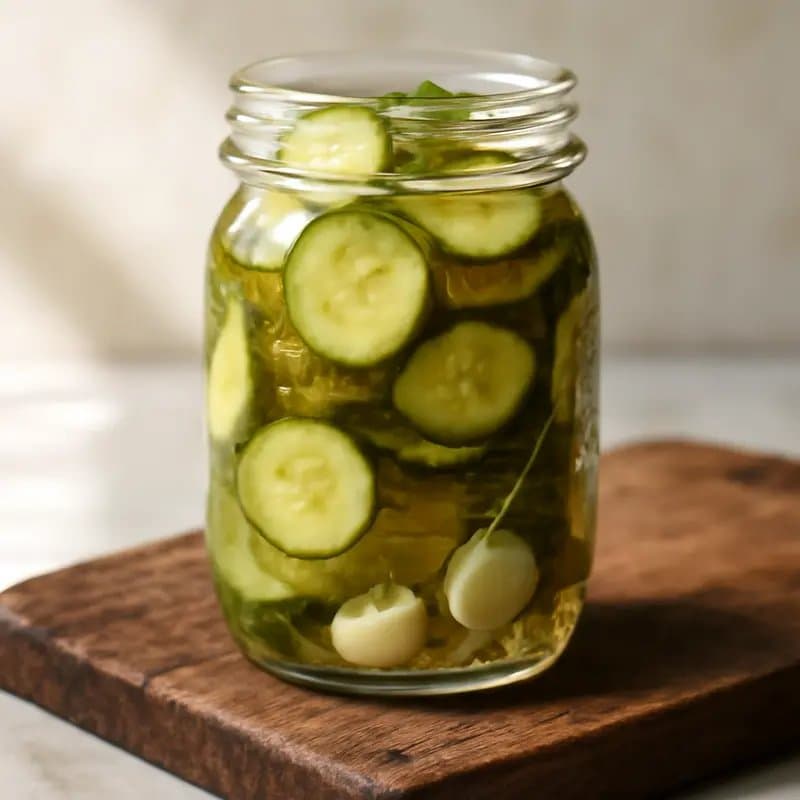
Classic dill pickles are whole cucumbers fermented in a salt brine with garlic, dill, and pickling spices. Unlike quick refrigerator pickles, these are lacto-fermented — the natural bacteria on the cucumbers create lactic acid that preserves them and gives them their characteristic tangy, complex flavor. This old-fashioned method produces the crunchy, garlicky dill pickles found at every great New York deli.
About This Recipe
"Classic Dill Pickles" is a Snacks recipe that brings small pickling cucumbers (Kirby), water (non-chlorinated), sea salt or pickling salt, garlic, peeled and halved and fresh dill with flower heads together into a flavorful, well-balanced dish. Rated Easy and ready in about 15 minutes, this recipe fits easily into a busy schedule. It serves 12 and works equally well for a weeknight dinner or a relaxed weekend meal. The American inspiration behind this dish balances classic techniques with clean, vibrant flavors.
Ingredients
- 2 lbs small pickling cucumbers (Kirby)
- 4 cups water (non-chlorinated)
- 3 tbsp sea salt or pickling salt
- 6 cloves garlic, peeled and halved
- 4 sprigs fresh dill with flower heads
- 1 tsp black peppercorns
- 1 tsp mustard seeds
- 2 grape leaves or horseradish leaves (for crunchiness)
Instructions
- 1
Wash cucumbers well and trim the blossom end (the end opposite the stem) — this removes enzymes that can soften pickles.
- 2
Place grape leaves at the bottom of a clean 1-quart jar. Add garlic, dill, peppercorns, and mustard seeds. Pack cucumbers vertically into the jar.
- 3
Dissolve salt in water. Pour the brine over cucumbers until fully submerged. Use a small weight or zip-lock bag filled with brine to keep cucumbers under the liquid.
- 4
Cover loosely with a lid or cloth. Ferment at room temperature (65-75°F / 18-24°C) for 3-5 days, tasting daily. When sour enough, seal and refrigerate.
Expert Tips
For the best result, use the freshest, highest-quality ingredients you can find. Small pickling cucumbers (Kirby) is the heart of this dish, so choose it with care. Read the recipe through before you start and prep all ingredients in advance (mise en place) so the cooking process is smooth. Stovetop work especially well for this preparation. Taste and adjust salt, pepper, and acid at the end to make the flavors pop.
What To Serve With This
"Classic Dill Pickles" is a versatile Snacks dish that pairs beautifully with a simple side salad, buttered green beans, roasted potatoes and classic American sides. Choose at least one fresh and one hearty side to create a balanced meal.
Storage & Reheating
Classic Dill Pickles stores well in an airtight container in the refrigerator for 2–3 days. Let it cool to room temperature before refrigerating before sealing the container. Reheat gently until warmed through, adding a small splash of liquid if needed to restore the original texture.
Nutrition Facts (per serving)
Frequently Asked Questions
Why are my pickles soft instead of crunchy?
Common causes: using regular cucumbers instead of pickling varieties, not trimming the blossom end, fermenting at too-high temperatures, or fermenting too long. Adding a tannin source (grape, oak, or horseradish leaves) helps maintain crunch.
Is the white film on my pickles safe?
Yes — the white film (kahm yeast) is harmless. Simply skim it off. It's different from mold, which would be fuzzy and colored. As long as pickles smell tangy and not foul, they're fine.
Reviews
No reviews yet. Be the first to review this recipe!