Korean Bibimbap Rice Bowl Recipe
Quick Answer
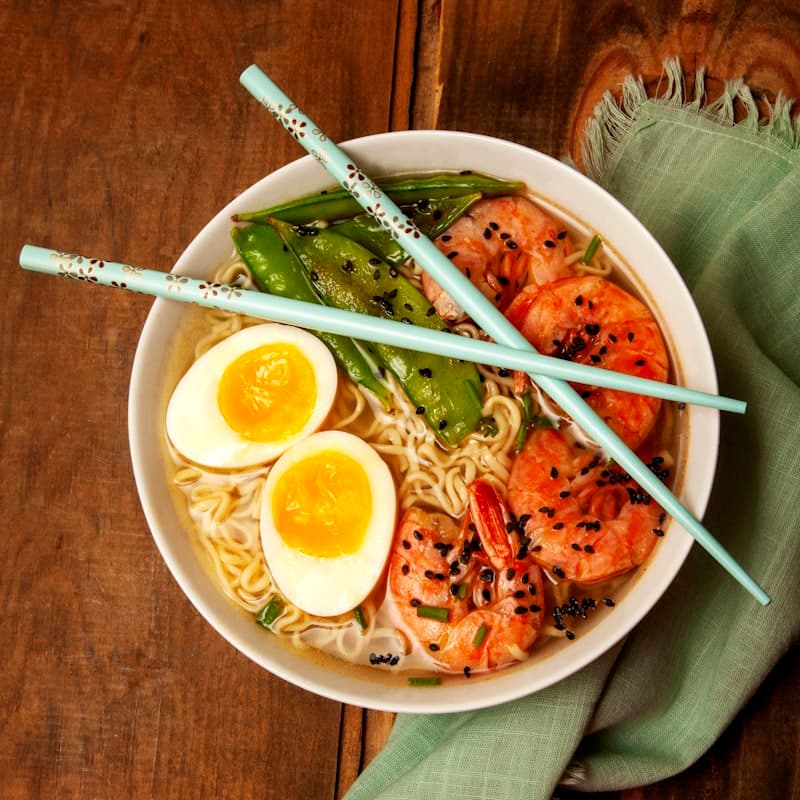
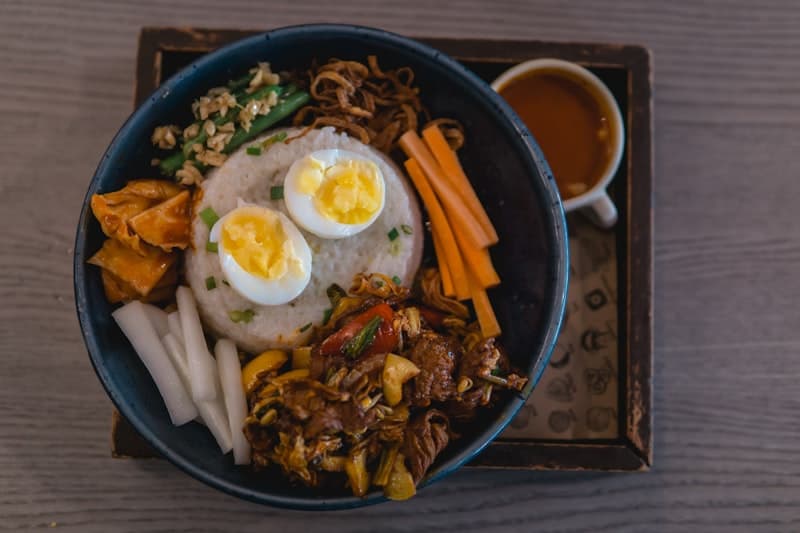
Colorful bibimbap bowl with seasoned beef, sautéed vegetables, gochujang sauce, and a runny fried egg over crispy rice. Korea's most iconic comfort dish made easy at home.
By Sarah Mitchell • July 1, 2026
Colorful bibimbap bowl with seasoned beef, sautéed vegetables, gochujang sauce, and a runny fried egg over crispy rice. Korea's most iconic comfort dish made easy at home.
About This Recipe
"Korean Bibimbap Rice Bowl" is a dinner recipe that brings Beef (sirloin or ribeye), thinly sliced, Cooked white rice, Spinach, Carrots, julienned and Zucchini, julienned together into a flavorful, well-balanced dish. Rated Medium and ready in about 40 minutes, this recipe fits easily into a busy schedule. It serves 4 and works equally well for a weeknight dinner or a relaxed weekend meal. The Korean inspiration behind this dish balances classic techniques with clean, vibrant flavors.
Ingredients
- 300 g Beef (sirloin or ribeye), thinly sliced
- 4 cups Cooked white rice
- 200 g Spinach
- 2 Carrots, julienned
- 1 Zucchini, julienned
- 1 cup Bean sprouts
- 4 Eggs
- 3 tbsp Gochujang paste
- 3 tbsp Soy sauce
- 2 tbsp Sesame oil
- 3 cloves Garlic, minced
- 1 tbsp Sugar
- for garnish Sesame seeds
Instructions
- 1
Marinate beef in 2 tbsp soy sauce, 1 tbsp sesame oil, garlic, and sugar for 15 minutes.
- 2
Sauté each vegetable separately in sesame oil with a pinch of salt: spinach 1 min, carrots 3 min, zucchini 2 min, bean sprouts 1 min. Set each aside.
- 3
Cook marinated beef in a hot skillet 2-3 minutes until caramelized.
- 4
Make bibimbap sauce: Mix gochujang, 1 tbsp soy sauce, 1 tbsp sesame oil, 1 tbsp sugar, and 1 tbsp water.
- 5
Fry eggs sunny-side up in a hot pan until whites are set but yolks are runny.
- 6
Assemble: Place hot rice in bowls. Arrange vegetables and beef in sections on top. Place fried egg in center. Drizzle with bibimbap sauce and sesame seeds.
- 7
Mix everything together before eating — the mixing is the best part!
Expert Tips
For the best result, use the freshest, highest-quality ingredients you can find. Beef (sirloin or ribeye), thinly sliced is the heart of this dish, so choose it with care. Read the recipe through before you start and prep all ingredients in advance (mise en place) so the cooking process is smooth. No equipment work especially well for this preparation. Taste and adjust salt, pepper, and acid at the end to make the flavors pop.
What To Serve With This
"Korean Bibimbap Rice Bowl" is a versatile dinner dish that pairs beautifully with a simple side salad, buttered green beans, roasted potatoes and classic Korean sides. Choose at least one fresh and one hearty side to create a balanced meal.
Storage & Reheating
Korean Bibimbap Rice Bowl stores well in an airtight container in the refrigerator for 2–3 days. Let it cool to room temperature before refrigerating before sealing the container. Reheat gently until warmed through, adding a small splash of liquid if needed to restore the original texture.
Nutrition Facts (per serving)
Frequently Asked Questions
What is gochujang?
Gochujang is a Korean fermented chili paste made from red pepper flakes, glutinous rice, and soybeans. It's sweet, spicy, and savory. Find it in Asian grocery stores or online.
Why do you cook each vegetable separately for bibimbap?
Each vegetable has a different cook time and should keep its individual flavor. Mixing them while cooking would make everything mushy and bland.
Reviews
No reviews yet. Be the first to review this recipe!