Quick Answer
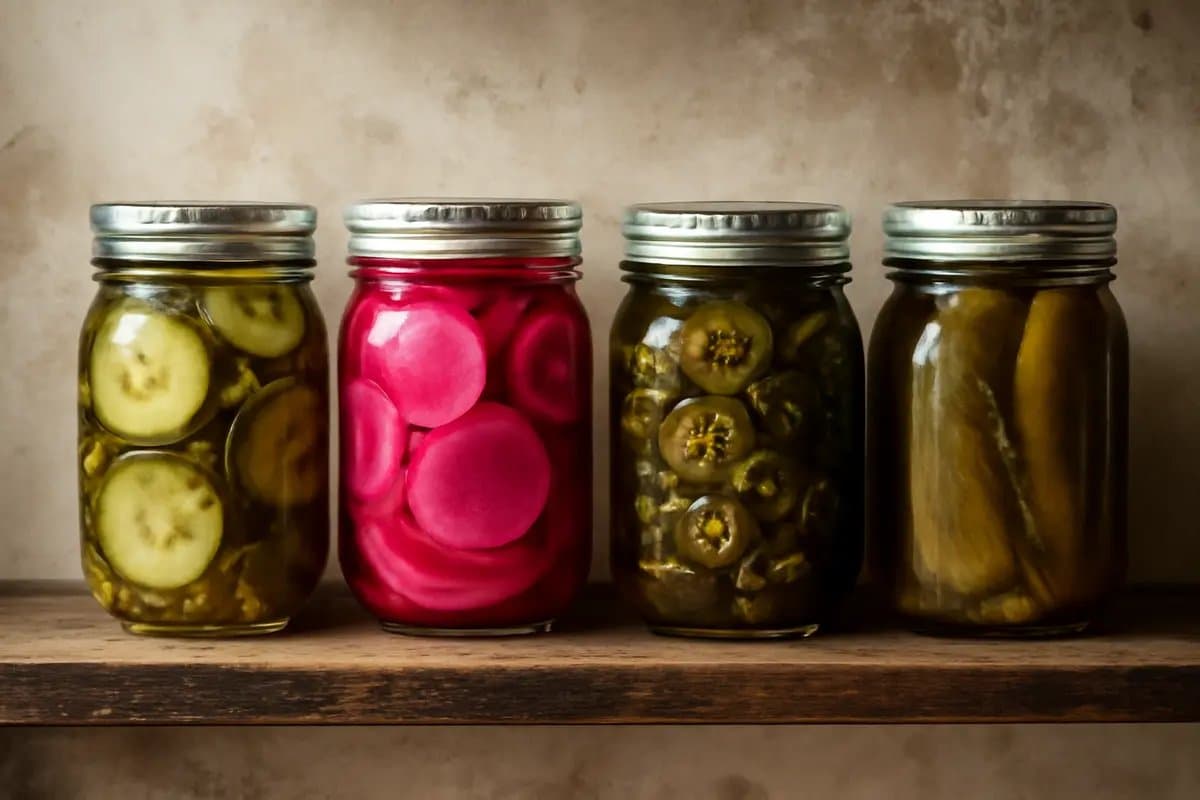
For quick refrigerator pickles, combine 1 cup water, 1 cup vinegar, 1 tbsp salt, and 1 tbsp sugar. Boil, pour over sliced cucumbers with garlic and dill in a jar. Ready in 1 hour (thin slices) or overnight (thick). Keeps 2-3 weeks refrigerated. For fermented dill pickles, dissolve 3 tbsp salt in 1 quart non-chlorinated water, submerge whole cucumbers with spices, and ferment at room temperature 3-7 days.
RecipesQueen Editorial
Tested & verified in our kitchen
Pickling is trending hard on Pinterest — refrigerator pickles (+100%), dill pickle recipe (+90%), cowboy candy (+50%), and Radieschen Einlegen (+100% in Germany). Master the art of preserving.
In This Article
Home pickling and preserving is surging on Pinterest: "refrigerator pickles" grew 100%, "dill pickle recipe" jumped 90%, "cowboy candy jalapeños" climbed 50%, and in Germany, "Radieschen Einlegen" rose 100%. The appeal is clear — homemade pickles are fresher, crunchier, and more flavorful than anything from a store shelf.
Two Methods: Quick Pickles vs. Fermented
Understanding the difference is essential:
Quick Pickles (Refrigerator Pickles)
- Vegetables are covered in a vinegar-based brine
- Ready to eat in 1-24 hours
- Must be refrigerated — they're not shelf-stable
- Crunchy, tangy, and immediately satisfying
- Pinterest trending: +100%
- Vegetables sit in a salt-water brine at room temperature
- Beneficial bacteria convert sugars to lactic acid
- Ready in 3-7 days (depending on temperature)
- Probiotic benefits — live cultures like yogurt
- More complex, sour flavor
- Pinterest trending: +90%
Refrigerator Pickles
The fastest path to homemade pickles. No canning equipment needed.
Master Brine Recipe (makes 1 quart/liter):
- 1 cup (240ml) water
- 1 cup (240ml) white or apple cider vinegar
- 1 tablespoon salt (pickling salt or kosher — not table salt, which has anti-caking agents that cloud the brine)
- 1 tablespoon sugar (optional — adjust to taste)
Flavor combinations:
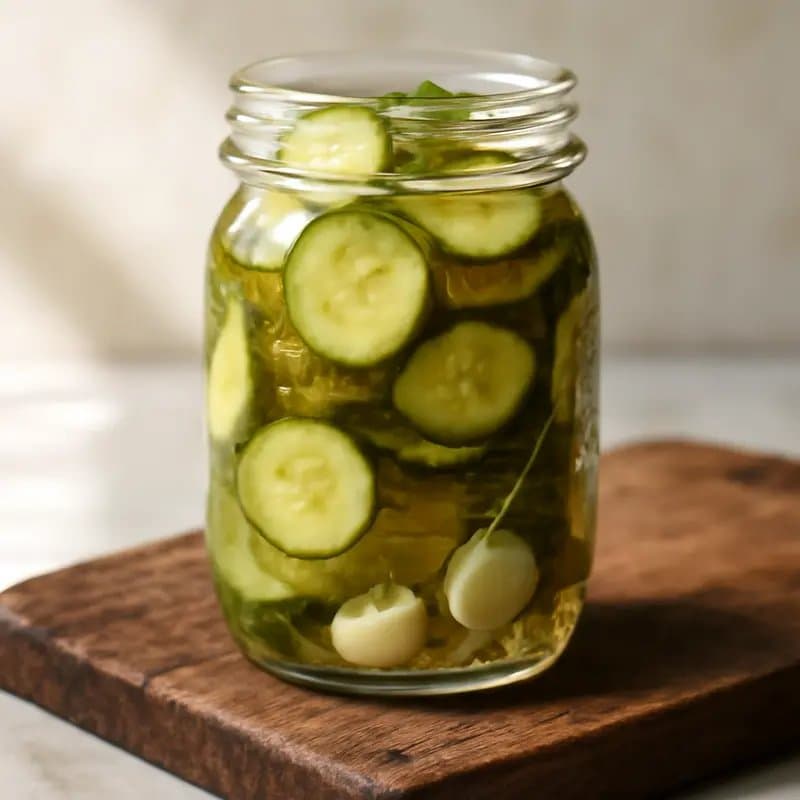
- Classic dill: Garlic cloves + dill sprigs + black peppercorns + mustard seeds
- Bread & butter: Onion slices + celery seed + turmeric + extra sugar
- Spicy: Jalapeño slices + garlic + red pepper flakes + cumin
- Asian-style: Rice vinegar + ginger + sesame + soy sauce
Traditional Fermented Dill Pickles
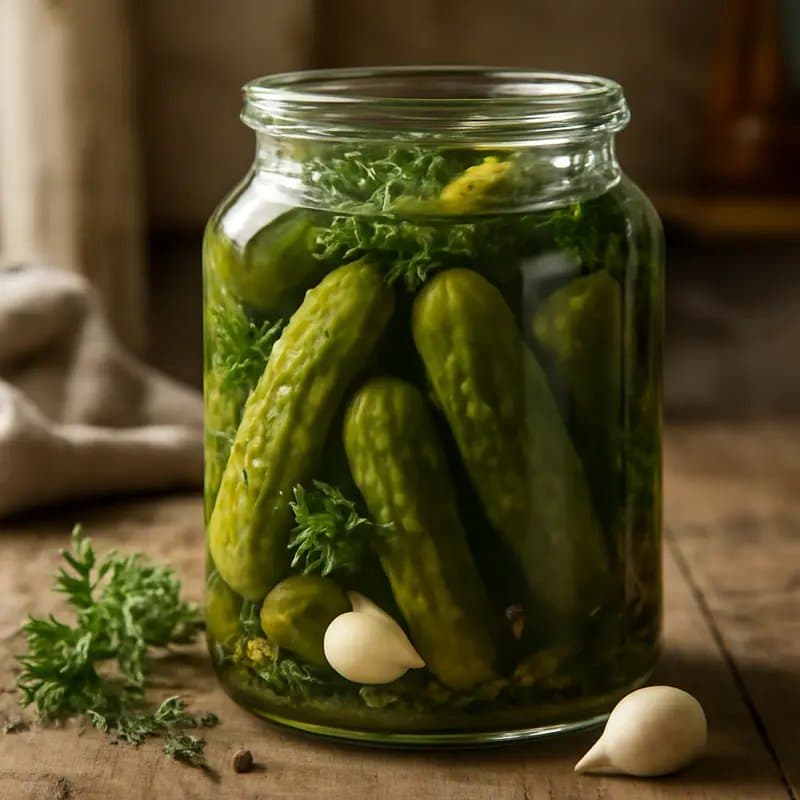
The old-fashioned way, producing complex flavor and probiotic benefits.
Method:
Troubleshooting:
- Cloudy brine is normal for fermented pickles — it's a sign of active fermentation.
- Soft pickles usually mean the water was too warm or the cucumbers were too large. Use pickling cucumbers (Kirby), not regular slicers.
- White film on top (kahm yeast) is harmless — skim it off and continue.
Cowboy Candy (Candied Jalapeños)
The viral sensation that's up 50% on Pinterest. Sweet, spicy, and incredibly addictive.
Ingredients:
- 500g jalapeños, sliced into rings (wear gloves!)
- 1 cup (200g) sugar
- ½ cup (120ml) apple cider vinegar
- ½ tsp turmeric, garlic powder, celery seed
Quick-Pickled Radishes (Radieschen Einlegen)
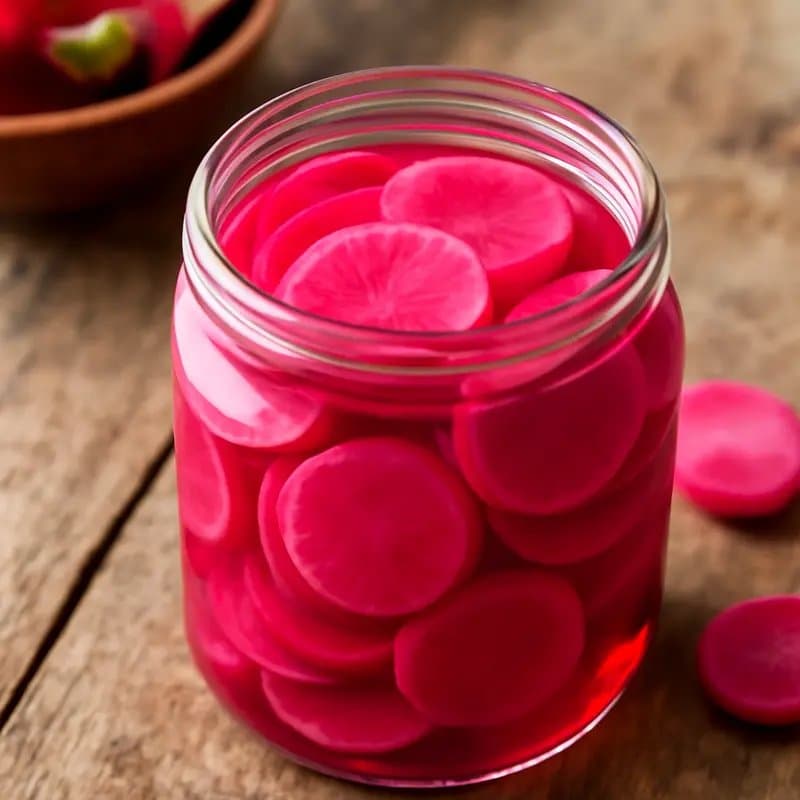
Germany's trending pickle (+100%). The magenta color is stunning on bread boards (Brotzeit).
Use the master brine recipe above. Thinly slice radishes, pack into jars with a bay leaf, peppercorns, and a teaspoon of sugar. Pour hot brine over. Ready in 30 minutes to 1 hour. The color deepens to brilliant magenta within 24 hours. Perfect with cheese, cold cuts, and crusty bread.
Vegetables That Pickle Well
Almost any firm vegetable can be pickled:
- Cucumbers — the classic, either sliced or whole
- Radishes — gorgeous color, peppery crunch
- Green beans — "dilly beans" are a Southern classic
- Cauliflower — holds crunch beautifully
- Red onion — quick-pickle in 20 minutes, use on tacos and sandwiches
- Carrots — sweet and crunchy, perfect with Vietnamese banh mi
- Jalapeños — essential for nachos and Mexican food
Shelf Stability & Safety
- Refrigerator pickles last 2-3 weeks in the fridge. Not shelf-stable.
- Fermented pickles last 4-6 months refrigerated once fermentation is complete.
- For shelf-stable canning, you must use a tested recipe and proper water bath canning technique. The USDA Complete Guide to Home Canning is the gold standard.
- Never alter vinegar ratios in canning recipes — the acidity is what prevents botulism. You can adjust spices, but not vinegar or water amounts.
Recipes from This Article
Try these hand-picked recipes we recommend in this article.
Save This for Later!
Pin this article to Pinterest so you can find it whenever you need it.
Save to PinterestFollow @recipesqueenofficialFrequently Asked Questions
What is the difference between pickling and fermenting?
Pickling uses an acidic brine (usually vinegar) to preserve vegetables — it's quick (hours to days) and produces tangy, crunchy results. Fermenting uses a salt-water brine and relies on naturally occurring beneficial bacteria to produce lactic acid over days to weeks. Fermented pickles have a more complex sour flavor and contain live probiotics.
Why are my homemade pickles soft?
Soft pickles are usually caused by: (1) using regular slicing cucumbers instead of pickling cucumbers (Kirby variety), (2) water temperature too warm during fermentation, (3) not adding tannin-rich ingredients (grape leaves, oak leaves, or horseradish leaves) which help maintain crunch, or (4) cutting the blossom end off — it contains enzymes that soften pickles.
Is it safe to can pickles at home?
Yes, when following tested recipes from reliable sources (USDA, Ball, National Center for Home Food Preservation). The key safety requirement is maintaining proper acidity (pH below 4.6). Never alter vinegar ratios in canning recipes. Quick refrigerator pickles don't require canning — they're stored in the fridge and consumed within 2-3 weeks.
You Might Also Like
10 Ways to Use Leftover Bread (Beyond Croutons)
Discover our expert guide to leftover bread recipes. Featuring 10+ tested recipes you'll love.
15 Genius Kitchen Hacks That Save Time and Money
Discover our expert guide to kitchen hacks. Featuring 10+ tested recipes you'll love.
How to Sharpen Kitchen Knives at Home
Discover our expert guide to sharpen kitchen knives. Complete with tips, techniques, and recipes you'll love.
Weekly recipes, zero spam.
Get the best recipes and cooking tips delivered to your inbox every week.