Slow Cooker Recipes
We've tagged 4 recipes that work great with a slow cooker recipes — filter by meal type below.
The slow cooker is the ultimate set-it-and-forget-it appliance. Load ingredients in the morning, come home to a fully cooked meal. It excels at transforming inexpensive cuts of meat into tender, pull-apart masterpieces, and building deep, complex flavors in soups, stews, and chilis. Our slow cooker recipes include both 4-hour (High) and 8-hour (Low) timing options so you can plan around your schedule. Each recipe specifies exact liquid amounts and layering order for optimal results. From classic pulled pork to hearty chili to creamy mac and cheese, these hands-off recipes are perfect for busy weeknights and lazy weekends alike.
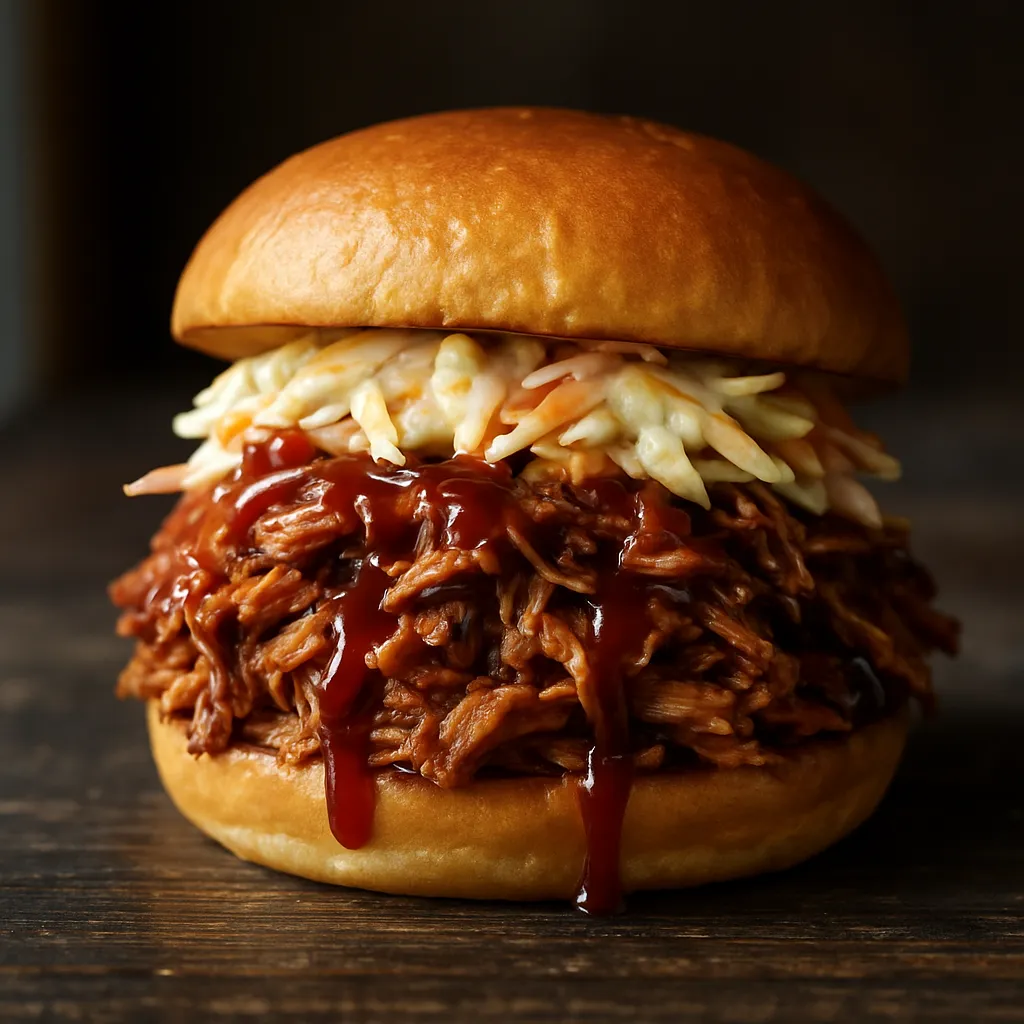
Slow Cooker Pulled Pork
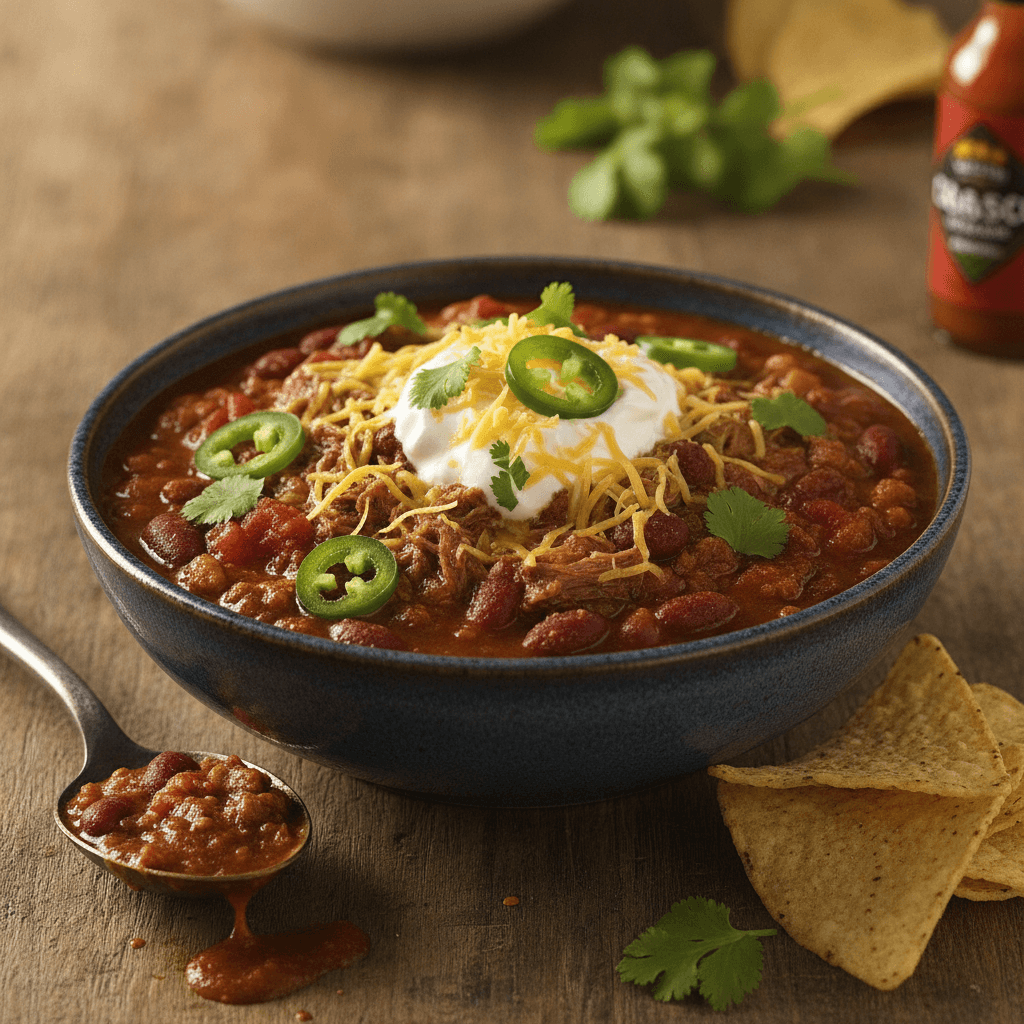
Slow Cooker Chili
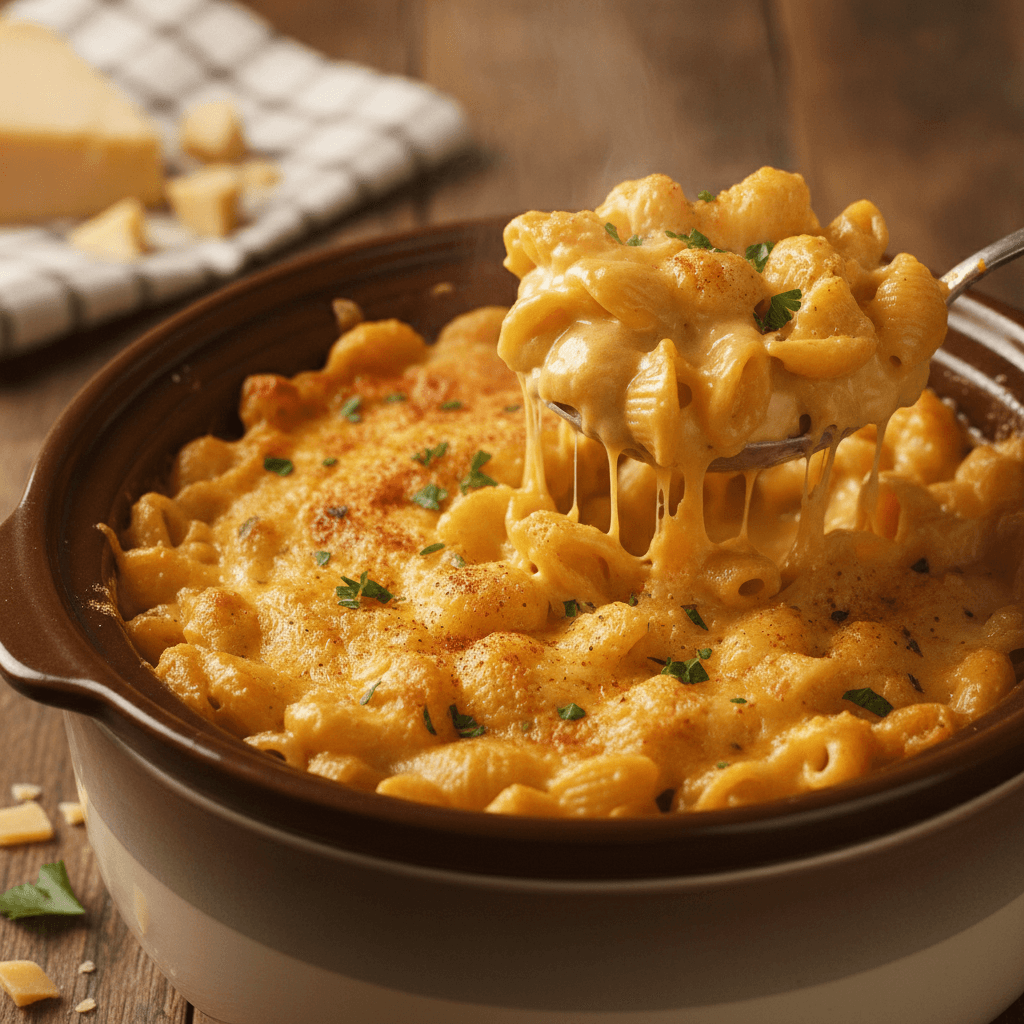
Slow Cooker Mac and Cheese
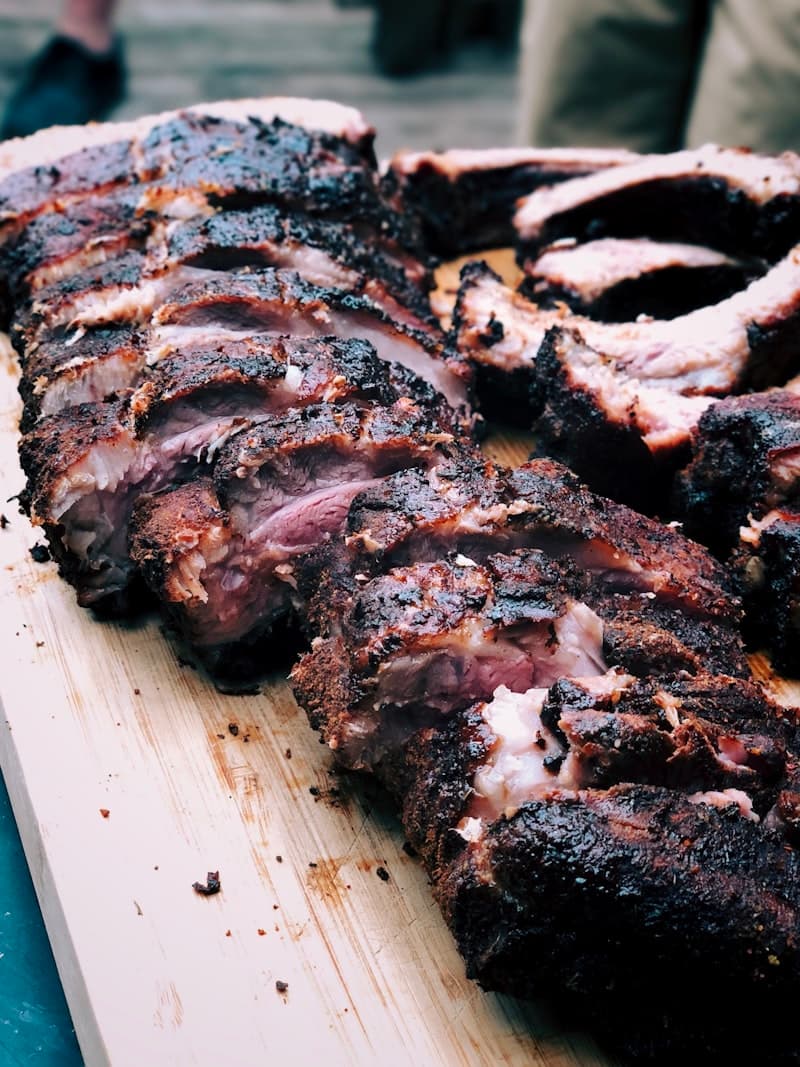
Easy Crockpot Pulled Pork
Frequently Asked Questions
Can I leave a slow cooker on all day while at work?
Yes — slow cookers are designed for unattended cooking. Most models switch to a 'Warm' setting after cooking is complete. For safety, place it on a heat-resistant surface away from walls and ensure the lid is secure.
Should I put liquid in a slow cooker?
Most slow cooker recipes need at least 1/2 to 1 cup of liquid, but less than you'd use for stovetop cooking because slow cookers trap moisture. Meats release juices during cooking, and vegetables release water, so resist the urge to add too much liquid.
When should I cook on Low vs High?
Low (8 hours) is best for tougher cuts of meat and when you want to cook while away. High (4 hours) works for quicker meals and poultry. Generally, 1 hour on High equals about 2 hours on Low.
Can I put frozen meat in a slow cooker?
It's not recommended. Frozen meat stays in the bacterial 'danger zone' (40-140°F) too long during the slow warm-up. Thaw meat in the refrigerator overnight before slow cooking for food safety.
Why is my slow cooker food watery?
Slow cookers produce more liquid than expected because the sealed lid traps moisture. Use less liquid than stovetop recipes suggest. If the dish is too watery, remove the lid for the last 30-60 minutes to let moisture evaporate.